What Is a Lipoma? Symptoms, Diagnosis, Treatment, and Cancer Risk
What Is a Lipoma and What Is Its Risk of Malignancy?
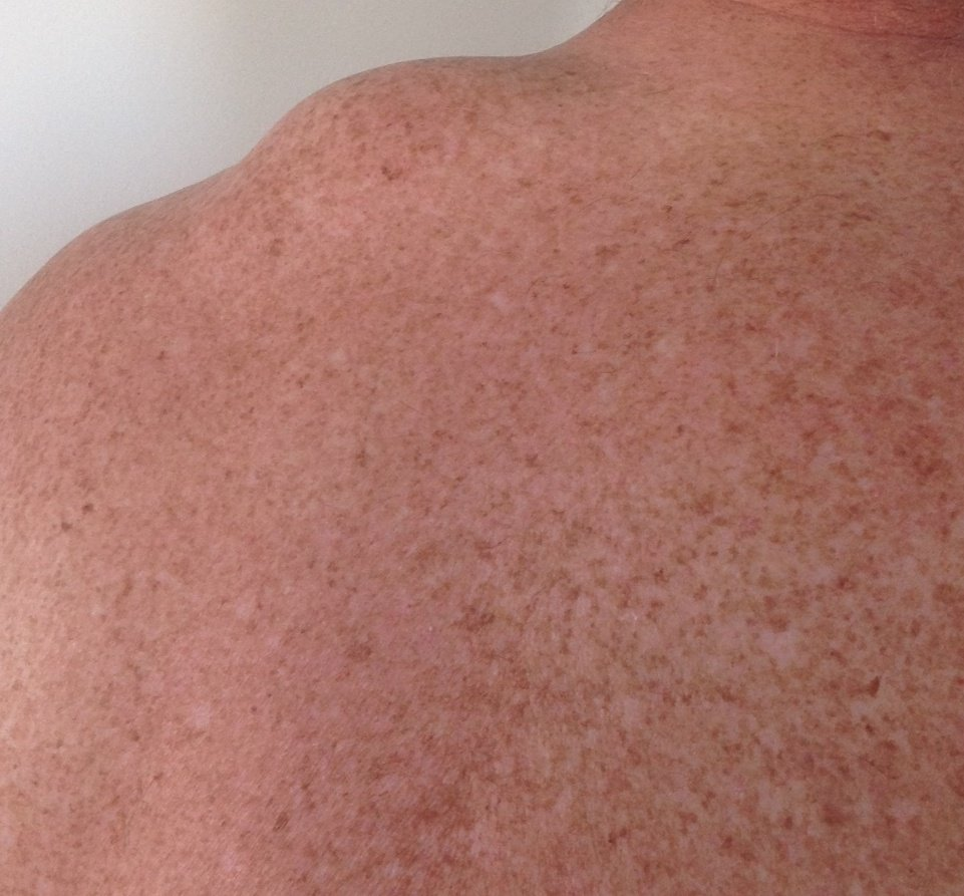
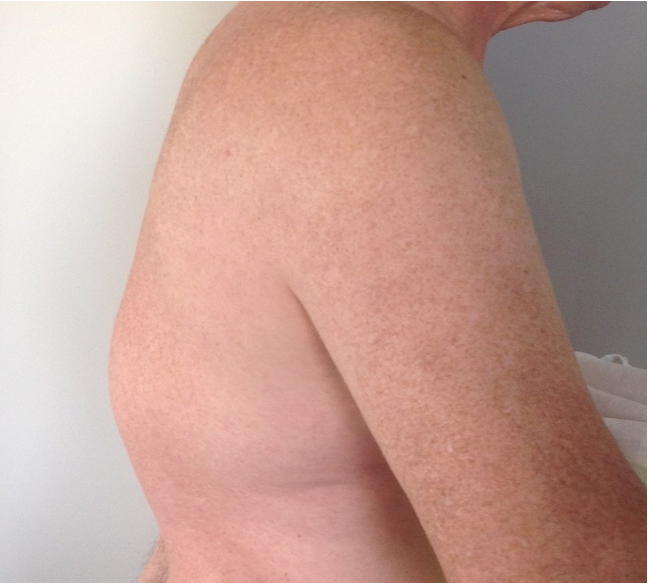
A lipoma is a benign tumour made up of fatty tissue. Lipomas are common soft tissue lumps and usually grow slowly just beneath the skin. They are most often found on the neck, shoulders, back, arms, thighs, chest wall, or armpits.
In most cases, a lipoma is harmless and does not become cancerous. However, because not every lump is a lipoma, any new, enlarging, painful, or deep lump should be assessed by a doctor. Read more about lumps and bumps here.
What causes a lipoma?
The exact cause of lipomas is not fully understood. In some people, lipomas appear to run in families, suggesting a genetic tendency. Lipomas may become more noticeable during periods of weight change, but they are not caused by poor diet or obesity alone. They can occur anywhere in the body, although the neck, armpits, groin, back, shoulders, and arms are common sites.
Can a lipoma turn into cancer?
A typical lipoma is benign and has a very low risk of malignant transformation. In other words, a standard lipoma does not usually turn into cancer.
That said, a lump that is rapidly growing, painful, firm, deep, fixed, or in an unusual location should be evaluated carefully. These features do not necessarily mean cancer, but they do mean the lump needs proper assessment.
How is a lipoma diagnosed?
Most lipomas can be diagnosed by physical examination. They are often soft, mobile, and well-defined under the skin.
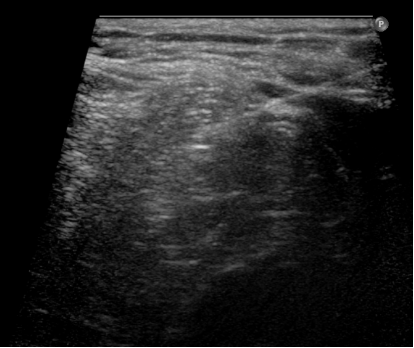
If the diagnosis is uncertain, or if the lump is deep, large, painful, or atypical, imaging may be needed. This may include:
- Ultrasound.
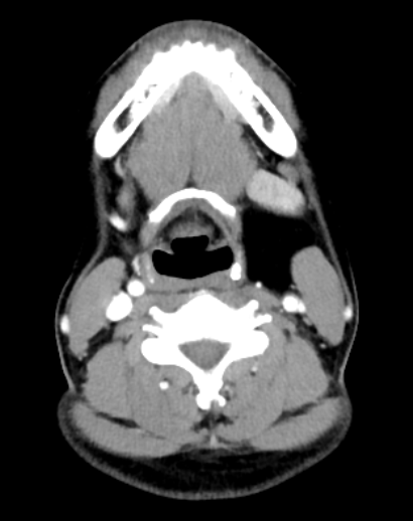
- CT scan.
CT scan showing a large lipoma in the neck, which is a fairly unusual position. It is also under the muscle, which makes it a complicated lipoma, one that requires careful exploration and removal.
CT Scan of Lipoma neck
- MRI.
- Needle biopsy in selected cases.
Further testing helps distinguish a lipoma from other soft tissue lumps and ensures that a more serious condition is not missed.
When does a lipoma need treatment?
Not all lipomas need to be removed. Treatment is usually recommended if the lipoma is:
- Painful or tender.
- Growing in size.
- Causing cosmetic concern.
- Interfering with movement or daily activities.
- Uncertain in diagnosis.
Lipoma surgery
Surgical excision is the most common treatment when removal is needed. The lump is usually removed in full and sent for pathology confirmation.
Lipoma removal is usually a straightforward procedure, although the approach depends on the size and location of the lump. Smaller lipomas may be removed under local anaesthesia, while larger or deeper lipomas may require general anaesthesia or sedation.
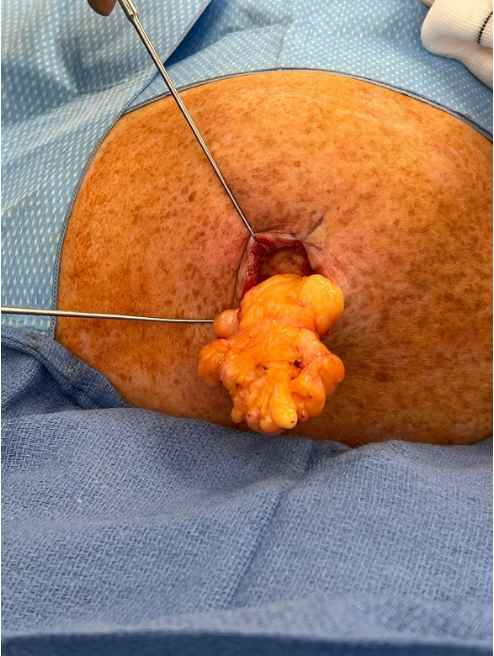
During surgery, an incision is made over the lump and the lipoma is carefully dissected away from the surrounding tissue. The wound is then closed with sutures and dressed appropriately.
Before surgery
Before surgery, you will usually receive instructions about fasting, medications, and arrival time. It is important to follow these instructions carefully and to let your doctor know about any allergies, medical conditions, or medications you take.
After surgery
After surgery, the wound is usually covered with a dressing, and sometimes a waterproof layer is used to protect the incision during showering.
Typical aftercare may include:
- Keeping the wound dry for the first 48 hours, unless advised otherwise.
- Removing outer dressings as directed.
- Monitoring for swelling, redness, discharge, fever, or increasing pain.
- Attending a wound review appointment, often within 1 to 2 weeks.
- Reviewing pathology results once they are available.
- The wound usually settles gradually, and the scar often becomes less noticeable over time.
When should you see a doctor?
You should have any new lump assessed if it is enlarging, painful, firm, deep, fixed, or not behaving like a typical lipoma. Even though lipomas are benign, proper assessment is important to confirm the diagnosis and rule out other causes of a soft tissue lump.
Social Listings