Breast Density: What It Means and Why It Matters
Sandra Krishnan • June 16, 2026

Breast density describes how much fibroglandular tissue there is compared with fatty tissue on a mammogram. It matters because dense tissue is common, it is associated with a higher risk of breast cancer, and it can make cancers harder to detect on routine mammography.


What is breast density?

Breast density is a radiologic finding, not something that can be judged by breast size, feel, or clinical examination. A breast is considered “dense” when it contains relatively more glandular and fibrous tissue and relatively less fatty tissue on mammographic imaging.


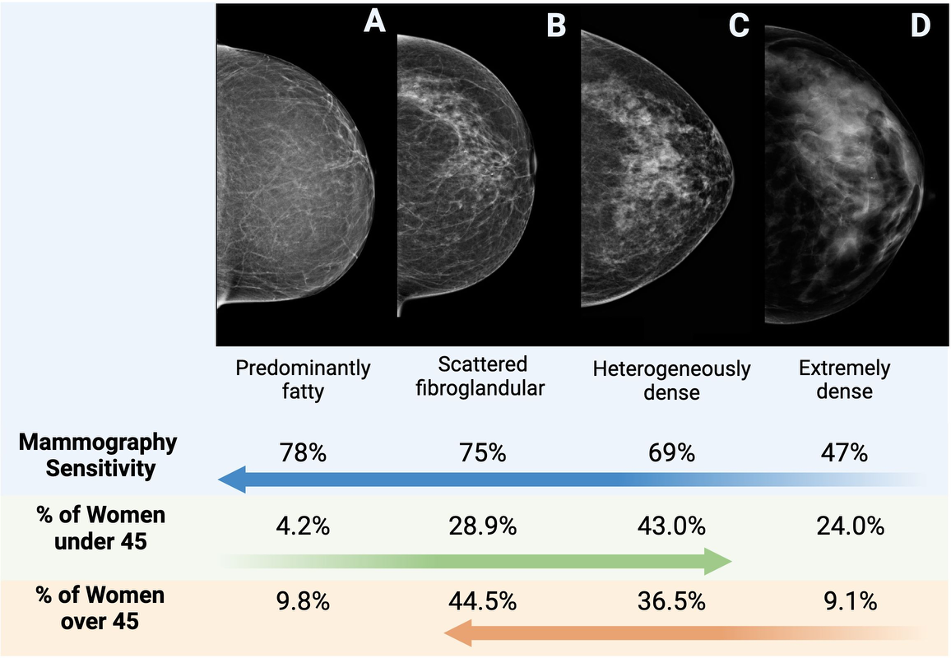
Radiologists usually describe breast density using the BI-RADS system with four categories:

  • A — Almost entirely fatty: the breast is made up mostly of fat, so abnormalities are usually easier to see on mammography.
  • B — Scattered areas of fibroglandular density: there are some dense areas, but most of the breast is still fatty tissue.
  • C — Heterogeneously dense: there are many dense areas, which may obscure small lesions; this is considered a “dense” breast category.
  • D — Extremely dense: the breast is composed of a very high proportion of dense tissue, which can significantly reduce the sensitivity of mammography; this is also considered a “dense” category.
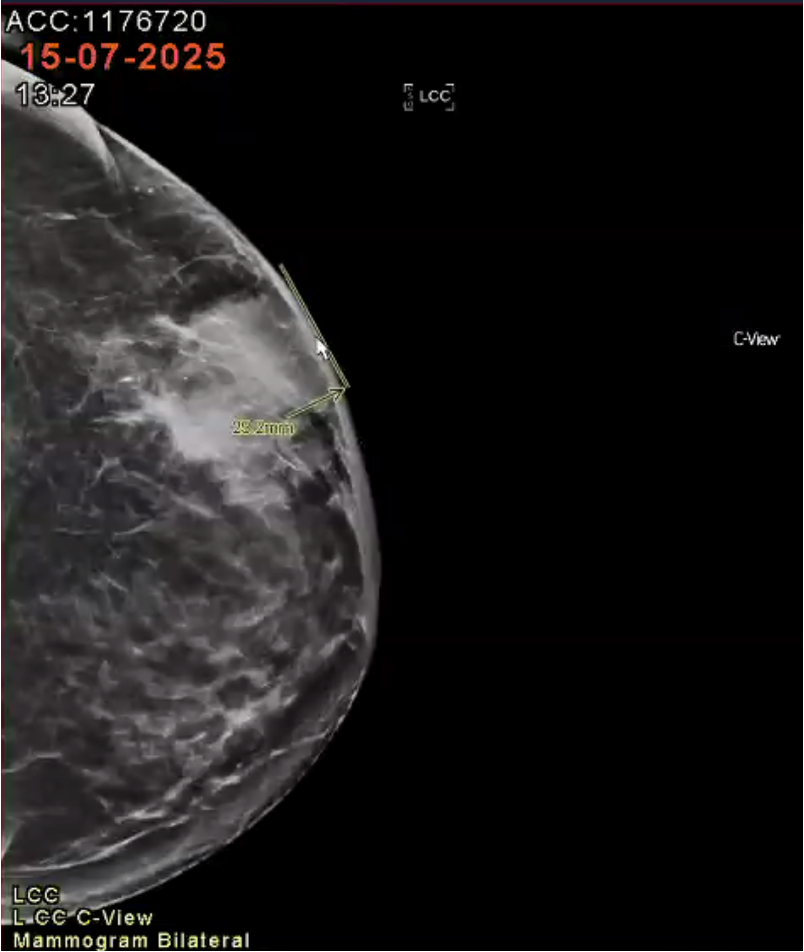


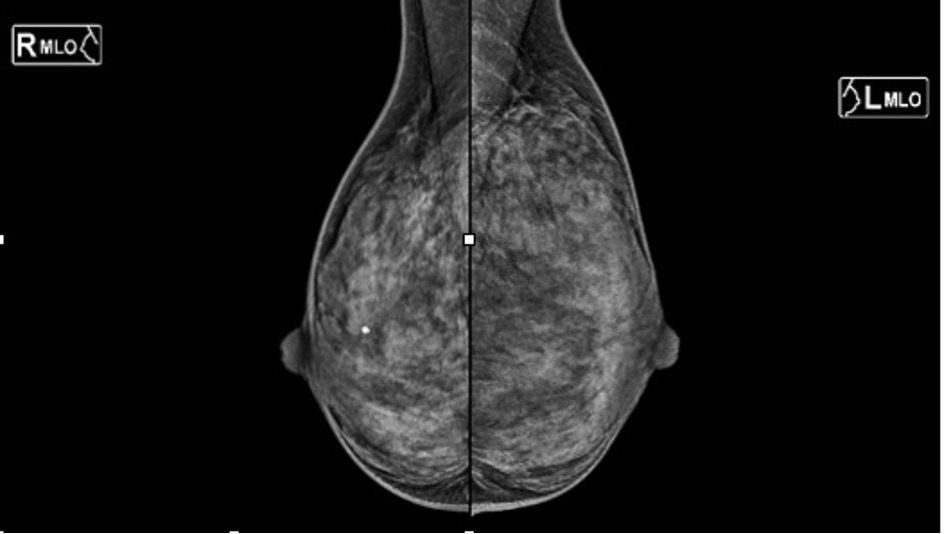
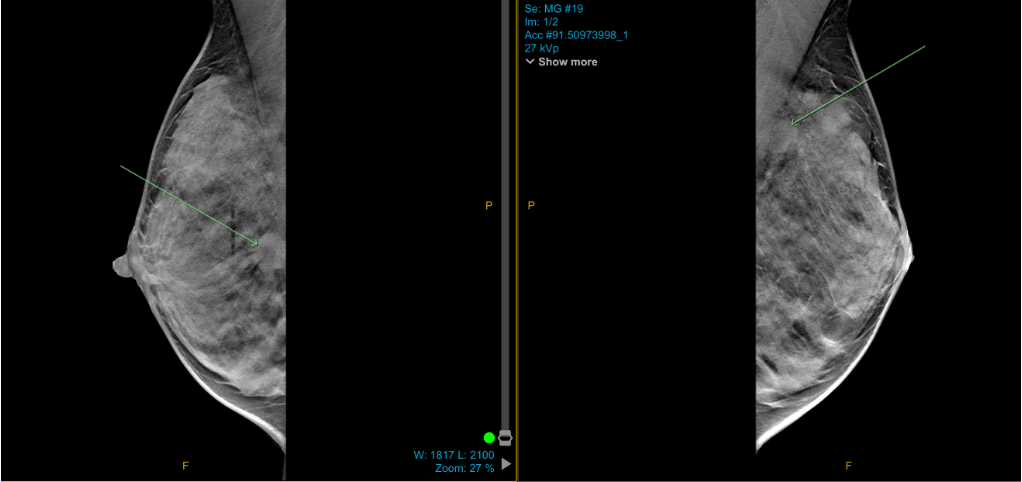
A simple way to explain this to patients is that fat looks dark on a mammogram, while fibroglandular tissue looks white. Because many cancers also appear white, a denser breast gives the radiologist a “white-on-white” image, which can make abnormalities less conspicuous.[cite:4][cite:15]
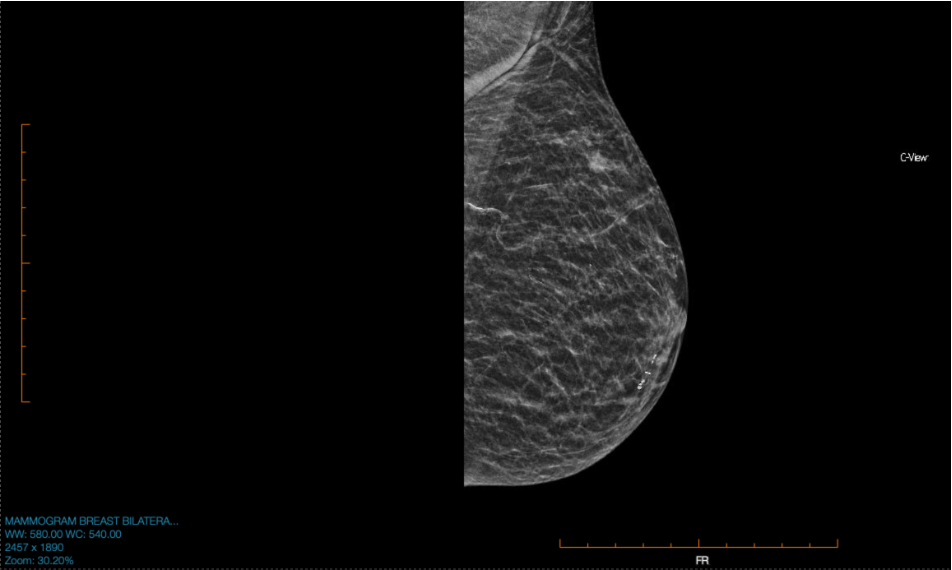

WHAT ARE Common examples of breast density?

In day-to-day practice, many women fall into the BI-RADS category B or C, and breast density often changes over time with age, hormonal factors, menopause, and some medications. For example, a younger premenopausal woman may have heterogeneously dense breasts, whereas an older postmenopausal woman may have more fatty replacement and therefore lower density on mammography.


Examples that can help readers understand the spectrum include:

  • A breast that is mostly fatty, where calcifications or masses are usually easier to detect.
  • A breast with scattered dense islands, where mammography remains useful, but interpretation can become slightly more complex.
  • A heterogeneously dense breast, where a small lesion may be partly hidden by normal tissue.
  • An extremely dense breast, where both normal tissue and possible cancers can blend together on the mammogram.


Breast density and cancer risk

Dense breasts are an independent risk factor for breast cancer. Risk increases with higher density, and women with very dense breasts have a higher likelihood of developing breast cancer than women with predominantly fatty breasts.


The exact magnitude of risk varies across studies and depends on the comparison group used, but dense breast tissue is consistently recognised as clinically relevant rather than incidental. This point is important to frame carefully in public-facing writing: dense breasts do not mean that cancer is present, and they do not mean that cancer is inevitable; they mean that breast density is one part of the overall risk picture alongside age, family history, genetics, prior breast pathology, reproductive factors, and lifestyle factors.


Why breast density affects detection

Breast density matters not only because of risk but also because it reduces the performance of mammography. Dense tissue can mask small cancers, especially when lesions are non-calcified or located within areas of overlapping fibroglandular tissue.

This masking effect is one reason some women with dense breasts may be offered supplemental screening depending on their personal risk profile, local guidelines, and access to imaging. Potential supplemental tests can include ultrasound, MRI,


or other contrast-based imaging approaches, although the decision should be individualised because additional imaging can also increase recall rates and false positives.


Conclusion

Breast density is a common mammographic finding with real clinical relevance. It does not diagnose cancer, but it does influence both breast cancer risk and the accuracy of screening, which is why density should be interpreted in the context of a woman’s overall risk profile and discussed clearly as part of shared decision-making about screening.

Social Listings
By Sandra Krishnan April 2, 2024
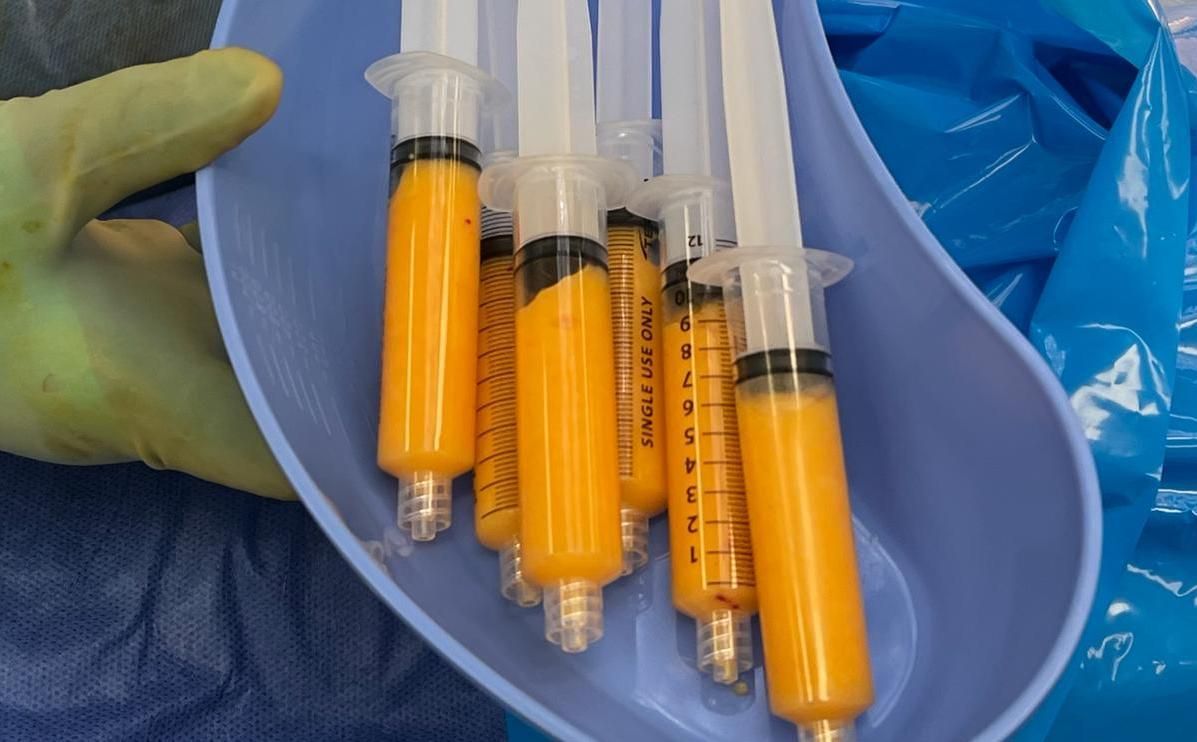
Lipofilling, Liquid Gold of breast cancer surgery What is Autologous Fat Grafting? Fat grafting, also known as lipofilling or autologous fat grafting, is a minimally invasive reconstructive method that an Oncoplastic Breast Surgeon uses to achieve an excellent outcome after breast cancer surgery. It utilises a patient's own adipose tissue to replenish volume loss resulting from breast cancer treatment or congenital abnormalities. This procedure involves transferring fat from one area of the body, typically the abdomen, thighs, or buttocks, to another area that requires augmentation or reconstruction. Fat injection specifically refers to the process of injecting harvested fat cells into a targeted area. What is the role of Lipofilling in Breast Cancer Reconstructive Surgery? Lipofilling plays a crucial role in breast cancer reconstructive surgery, offering a more natural alternative to traditional implant-based reconstruction. It allows for the creation of a soft and natural breast mound using the patient's own tissue, which can improve symmetry and restore confidence following mastectomy. Additionally, lipofilling can address contour irregularities and improve the aesthetic outcome of breast reconstruction. However, it's essential for patients to discuss their goals and expectations with their surgeon to determine if lipofilling is the right option for them, taking into account factors such as previous radiation therapy and the presence of any remaining cancer cells. What are the breast cancer surgical indications of Fat Grafting? The indications for fat grafting encompass rectifying and averting defects stemming from surgeries for breast cancer, preempting breast cancer, and rectifying defects related to congenital abnormalities. Does this procedure benefit patients who have had previous breast reconstruction? For patients who have previously undergone breast reconstruction, lipofilling can enhance prosthetic coverage and mitigate rippling, contour defects, and the adverse effects of radiotherapy on reconstructed breast skin. Total breast reconstruction via lipofilling necessitates multiple sessions due to the limited amount of tissue transferred per session. Additionally, lipofilling can aid in delayed breast reconstruction by preparing thin or irradiated chest skin flaps before the insertion of a tissue expander or autologous flap surgery. Furthermore, preliminary studies suggest that lipofilling may alleviate chronic pain following breast cancer treatment, although its efficacy can vary, warranting further investigation. What are the steps of the procedure?
By Sandra Krishnan February 4, 2024
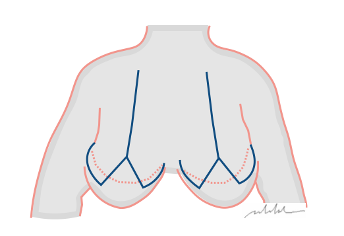
Goldilocks Mastectomy WHAT IS A GOLDILOCKS MASTECTOMY? Goldilocks procedure is undertaken subsequent to a mastectomy, aimed at total elimination of all breast tissue. Following bilateral mastectomy, the remaining fatty tissue and skin undergo a transformative process to craft a breast mound, thereby providing a semblance of shape and definition to the breast. While this procedure is commonly employed for patients with larger and heavier breasts, the applicability extends to some patients with smaller breasts. Without the use of tissue expanders, implants or flap insertion; the Goldilocks mastectomy offers a flexible and patient-centered approach to breast reconstruction.
By Sandra Krishnan August 7, 2023
Triple Negative Breast Cancer What is a Triple Negative Breast Cancer? Triple Negative Breast Cancer, abbreviated to TNBC, is a unique subtype of breast cancer characterised by the absence of these three receptors (hence Triple Negative) on the cancer cells. Breast cancer is not a singular entity. There are so many variables, and while most breast cancers fit into a particular mould, a smaller percentage are distinct and different. Understanding the characteristics and differences of t between triple-negative breast cancer and other types of breast cancer is crucial for accurate diagnosis and treatment planning. We determine the specific type of breast cancer based on the presence or absence of receptors, proteins found inside or on the surface of cells that trigger cellular responses. These receptors include the Oestrogen receptor (ER) Progesterone Receptor (PR) Human Epidermal Growth Factor Receptor 2 (HER2)
Nipple discharge
By Sandra Krishnan May 5, 2023
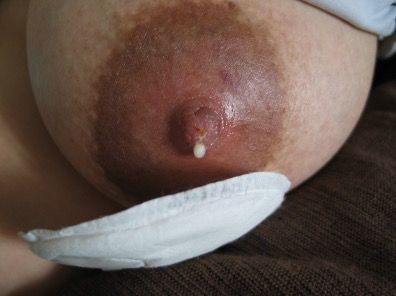
Nipple discharge refers to the presence of fluid coming out of the nipple. It can be caused by a variety of factors, including hormonal changes, infection, injury, or breast cancer. The discharge can be unilateral (from one breast) or bilateral (from both breasts) and may vary in colour and consistency
Gynaecomastia
By Sandra Krishnan February 13, 2023
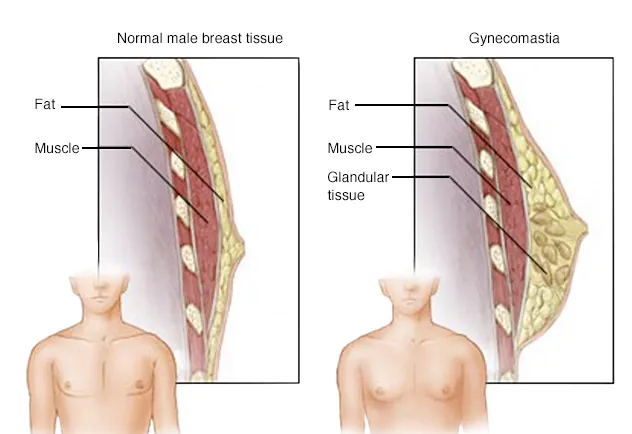
Gynaecomastia is an increase in the amount of breast gland tissue in boys or men, caused by an imbalance of the hormones oestrogen and testosterone. It can affect one or both breasts, sometimes unevenly.
Oncoplastic Breast Surgeon Breast Cancer
By Sandra Krishnan November 14, 2022
Oncoplastic breast surgery uses advanced techniques for breast cancer operations in which two important goals are achieved: most importantly the breast cancer is removed safely with a rim of healthy breast tissue around it. Secondly, the defect is reconstructed to provide the most cosmetic outcome, and achieve symettry.
The Complete Guide to Lipoma Excision Surgery
By Dr Sandra Krishnan April 11, 2022
A detailed discussion on Lipoma of the body wall, its diagnosis and complete removal. Includes a section on preoperative and after care.
What are stages of melanoma?
By Sandra Krishnan January 29, 2022
A brief description of Melanoma, its importance, staging and surgery
Sydney Adventist Hospital
By Sandra Krishnan December 23, 2021
If you’ve been referred to a breast clinic by your GP or if you’ve been recalled following routine breast screening, it’s natural to feel anxious or worried. The vast majority of people who are seen at a breast clinic will not have breast cancer. However, it’s still important to attend your breast clinic appointment so you can be fully assessed
Breast cancer surgery
By Sandra Krishnan October 8, 2021
Read my post to understand the different types of breast cancer surgery available today and what you can expect before and after these critical procedures. Further information on post operative pain and recovery for breast cancer surgery.